 Shutter LeagueShutter League
Higher than 43% of images in the League
1.09 to go to recognition level (8.5) · best this year 8.42
Ask if you can photograph them in their home, in their workspace, in the place where they exist every day. Shoot ten frames where the environment tells as much of the story as the face.
The discipline is this: every element in the frame must belong to their world. No generic backgrounds. No studio gradients. The story is in the details — the tools they use, the light they live in, the objects that surround them.
A note on your Street eye in a People frame: Street taught you to find the feeling before the frame, and that strength is visible here in the 7.8 emotion score. People demands one thing Street does not: the relationship between subject and environment must be as deliberate as the subject's expression, and that environmental specificity is the 1.00-point gap between your Street average and your People work.
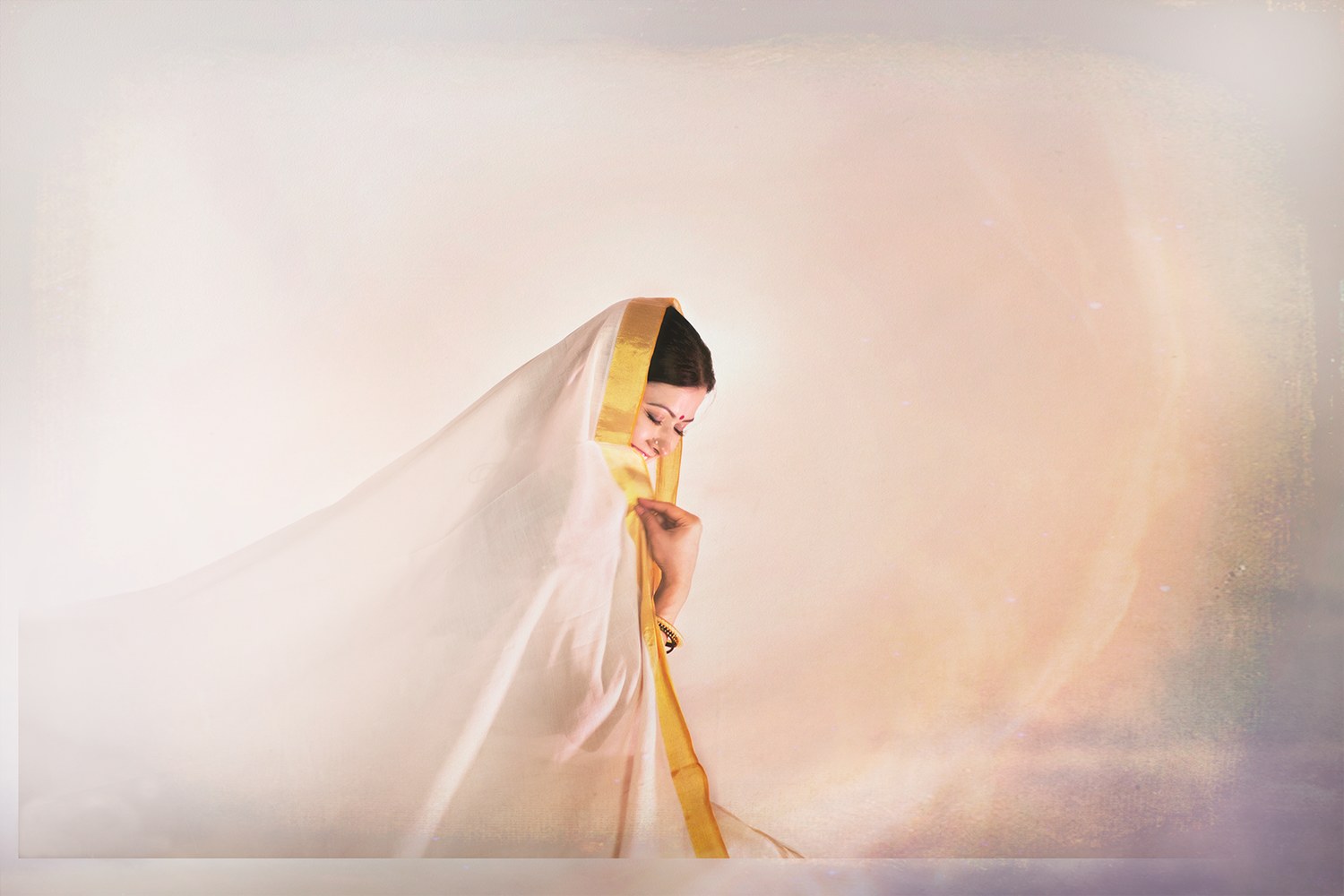
You gave the subject room to exist — the negative space around the draped figure is not emptiness, it is breath. That decision is what separates a portrait from a headshot. Most photographers fill the frame because they are afraid of empty space. You trusted it.
What is working
Where it stops short
The same five, every time, on the same scale every evaluation uses.
1.8 separates your strongest dimension from your weakest. That gap is where the next evaluation is won.
Where this reading sits against every photograph the engine has read.
This places you in the top 32% of People images evaluated on Shutter League. Your how striking the image is to a stranger evaluation of 7.2 is above the People average of 6.4 — the minimalist treatment and the tonal control in the high-key field are what create that visual presence, and pushing the cultural context deeper would lift it further.
“The reverence here is immediate — a stranger would feel it.”
The reading
A woman draped in white with a gold border, head bowed, hand holding the fabric — the reverence is the picture.
Your People work evaluates at 6.95 on average, your Street at 7.95 — a gap of 1.00. The gap is not the feeling, which scores 7.8 here and is your strongest dimension. The gap is environmental specificity: Street gives you the world around the subject for free, People demands you build it deliberately, and the gradient background here is clean but generic where a specific cultural environment would complete the story.
The technical read
The exposure is set to preserve highlight detail in the white fabric while maintaining separation from the peach-to-cream gradient background, which creates a clean tonal hierarchy from pure white through warm midtones. The subject is sharp at the head and torso with soft focus falling off toward the edges, consistent with a wide aperture isolating the figure from the background. The light is diffused and frontal, wrapping evenly around the subject with no directional shadows, likely from a large softbox or window light positioned close to camera axis. The composition places the subject in the left third of the frame with the head and shoulders forming a vertical anchor, while the right two-thirds remain open gradient space. The background shows no grain, no texture, and no tonal variation beyond the smooth gradient sweep, which is atypical for sensor capture at any ISO.
Composition · Negative space
The eye enters at the gold border where saturated colour breaks the white field, travels upward along the draped fabric to the bowed head, then settles on the shadowed profile.
Imagine if this same moment happened inside a temple corridor — the white mundu and gold border against red stone walls, the light from a single doorway falling across the fabric, and the hand holding the cloth at the exact instant it lifts toward the face. The cultural context becomes specific rather than implied, and the reverence is no longer just a feeling but a named ritual in a named place.
The tonal control required to hold white fabric detail without clipping while keeping the gold border saturated in a high-key field is the technical achievement here — that exposure balance is harder than the clean result suggests.
Why this score. The high-key gradient background and the precise tonal control required to hold the white fabric detail without clipping while keeping the gold border saturated — that exposure balance in a bright field is harder than it looks.
The eye lands on one object — the draped figure — and that object is resolved with clean tonal separation from the gradient, but the overall treatment follows rather than breaks the minimalist cultural portrait convention.
Why this score. The eye lands on one object — the draped figure against the gradient — and that object is resolved. The treatment is minimalist but not unconventional for cultural portrait work.
The head-bowed posture is a genuine gesture of reverence, but this is a held pose rather than a fleeting instant — the decisive frame would be the moment the hand moves or the head begins to lift.
Why this score. The head-bowed posture and the hand holding the fabric are genuine gestures of reverence or contemplation, but this is a held pose rather than a fleeting instant — the moment is authentic, not decisive.
The white cloth glows against warm gradient — a visual anchor that pulls the eye before the cultural meaning registers.
Why this score. Cultural Wonder — the white mundu with gold border places this in South Indian ceremonial or religious context, a world most viewers will not enter, and the dignity in the posture creates recognition.
Reverence — the bowed head, the draped fabric, the hand holding the cloth near the face, and the stillness all create a specific feeling of devotion or contemplation that a stranger would name immediately.
Why this score. Reverence — the bowed head, the draped fabric, the stillness all create a specific feeling of devotion or contemplation that a stranger would name in one word.
You keep finding the feeling first — that 7.8 emotion score is not an accident, it is your pattern across every frame. The next leap is making the world around the subject as deliberate as the subject's expression, so the cultural context becomes specific enough to name without a caption. The standard we are measuring against was built from hundreds of blind calibrations — not preference, not taste — what makes an image hold attention, create feeling, and outlast the five seconds it gets on a feed.
Standard edit · balanced
Darken the right edge of the frame by one stop — the warm peach glow is pulling the eye away from the subject toward the edge, and removing that competition centres the figure.
Increase contrast on the gold border by 10-15% — the border is the cultural signifier and it needs to separate more decisively from the white fabric.
Crop tighter from the left — eliminate the empty gradient space and bring the left edge closer to the subject's shoulder, which removes dead space and increases the figure's presence.
Creative edit · artistic
Convert to black and white and crush the shadows completely — the white fabric becomes pure light against total darkness, and the reverence becomes isolation rather than serenity.
Frame 1: The next image in this series shows the same subject in the moment before or after this stillness — the hand lifting the fabric toward the head, or the head beginning to rise, so the reverence is caught in motion rather than held in a pose.
Frame 2: The second frame shows a different subject in the same cultural context but in their environment — inside a temple, at a ceremony, in the place where this garment and this gesture belong, so the world behind the face becomes as specific as the face itself.
Frame 3: The third frame shows the detail — the hands holding the fabric, the gold border against the skin, the texture of the cloth, shot close enough that the viewer sees the craftsmanship and the wear, and the story is in the object as much as the person.
Frame 4: The fourth frame shows the same reverence in a different cultural tradition — a different garment, a different gesture, a different community — so the body of work becomes a study in how devotion looks across worlds, not just within one.
Your Decisive Moment has been flat or declining. This is fixable — it is a waiting problem, not a seeing problem. You already know what to look for. The practice is standing still longer.
Across your last 13 photographs, over the past 5 months.
This evaluation is currently based on 3093 calibrated images.